Fencing serves multiple purposes beyond just marking property boundaries. It is often used as a protective barrier to ensure the safety of children and pets by keeping them within a confined space. Additionally, fencing can provide an extra layer of security, deterring potential intruders and providing peace of mind for homeowners.
Privacy is another significant factor when considering an installation, as fencing can create a secluded space in your yard. This can lead to enhanced comfort for personal activities, allowing you and your family to enjoy your outdoor space without the prying eyes of passersby. There are different materials and styles, each offering varying degrees of privacy from the outside world.
Aside from function, aesthetic appeal is also a major consideration for many homeowners. A well-chosen fence can enhance the overall look of your property, perfectly complementing the architecture of your home. Many people choose fence designs that match or enhance their existing landscaping, which can significantly add to a property’s curb appeal.
Different Types of Fencing Materials
The type of fencing material you choose can have a significant impact on the lifespan and maintenance requirements of your fence. Wood is a popular option due to its classic appearance and versatility, but it does require regular upkeep to prevent rotting or insect damage. On the other hand, vinyl is less maintenance-intensive but might carry a higher upfront cost.
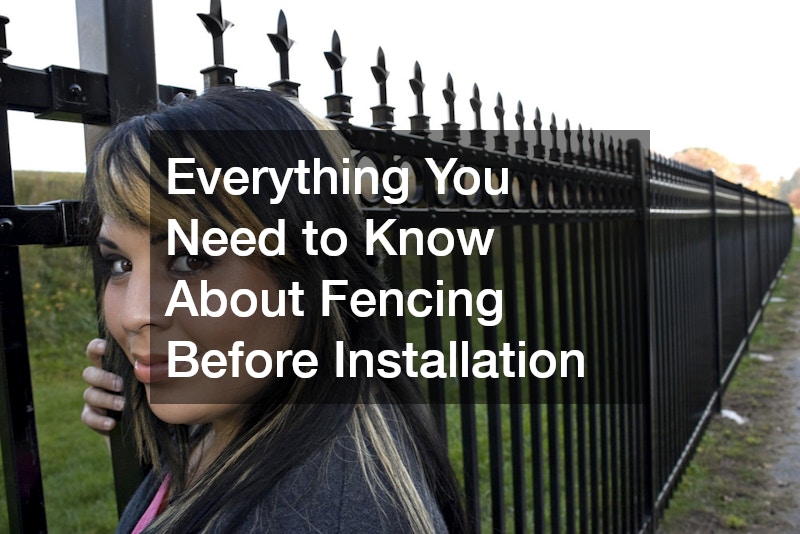
Metal options such as aluminum and steel offer durability and strength, making them ideal for security-focused fencing. They may not offer the same level of privacy as wooden options, but their robust nature makes them an excellent deterrent against unauthorized access. Chain link fences, while often used in commercial settings, can also provide a budget-friendly solution for homeowners.
Composite materials are increasingly gaining popularity due to their eco-friendly nature and resilience. They mimic the appearance of wood but offer higher durability and require less maintenance, making them a long-lasting alternative. Evaluating these materials based on your priorities for appearance, maintenance, and cost will help in making a well-informed decision.
Planning and Preparation for Fence Installation
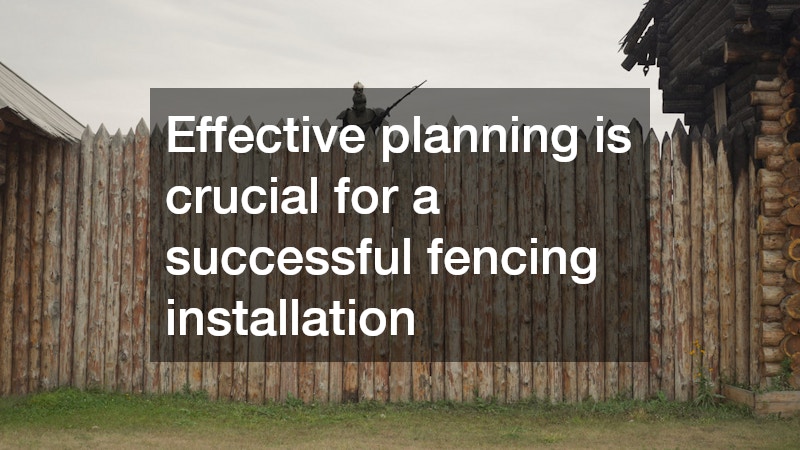
Effective planning is crucial for a successful fencing installation. Begin by determining the boundaries of your property; knowing exactly where to place the fence can prevent legal disputes with neighbors. It’s wise to consult any local zoning regulations to ensure compliance, as certain areas may have restrictions on fence height and materials.
Consider the terrain of your property, as flat surfaces tend to be more straightforward for installations, whereas slopes can complicate the process. Proper preparation might include leveling the ground and clearing obstacles that might interfere with installation. Sketching a layout of the fence can be incredibly helpful as a visual guide, making it easier to estimate materials and labor costs.
Ordering the correct amount of materials and planning for hardware and tools can significantly affect the timeline of your project. Account for potential delays caused by weather or supply chain issues, which could impact material availability. Once all arrangements are in place, you’ll be ready to decide whether to proceed with a DIY approach or hire a professional contractor.
Hiring a Professional vs. DIY Installation
One of the most significant decisions you’ll face is whether to install the fence yourself or hire a professional. DIY installation can be cost-effective if you have the necessary skills and tools. However, it’s important to consider whether you have the expertise to handle potential challenges, such as uneven ground or intricate designs.
On the other hand, professional installation can save time and ensure the job is done with a high level of precision and accuracy. Professionals bring experience that can prevent common issues, such as improper alignment or insecure posts, that can occur without proper knowledge. While the initial investment is higher, the durability and craftsmanship may present a worthy trade-off.
Weighing the benefits and drawbacks of each option requires consideration of your budget, time availability, and confidence in handling significant home improvement tasks. If opting for a professional, take the time to research and select a reputable contractor, ensuring your investment translates into a quality installation. Regardless of your decision, ensuring you understand the full scope of the project beforehand will lead to a satisfactory and functional fencing addition to your property.